Hospitality FF&E (Furniture, Fixtures & Equipment) procurement has shifted noticeably over the past two years. Developers and interior designers are asking for materials that perform under commercial-grade wear, sourcing timelines that survive supply chain disruption, and design languages that photograph well for a generation of guests who book based on Instagram, not just star ratings. Here is what is actually shaping FF&E specifications for hotels, resorts, and branded residences heading into 2025.
1. Warm, Earthy Material Palettes Replace Cold Minimalism
The stark white-and-glass hospitality aesthetic of the last decade is giving way to warmer palettes: kiln-dried beechwood, textured linen-look upholstery, and matte bronze or brushed metal accents. This shift is partly aesthetic and partly practical — natural wood tones and tactile fabrics show wear more gracefully than high-gloss lacquer, which matters over a 7–10 year FF&E replacement cycle in a busy hotel.
2. Multifunctional Guestroom Furniture
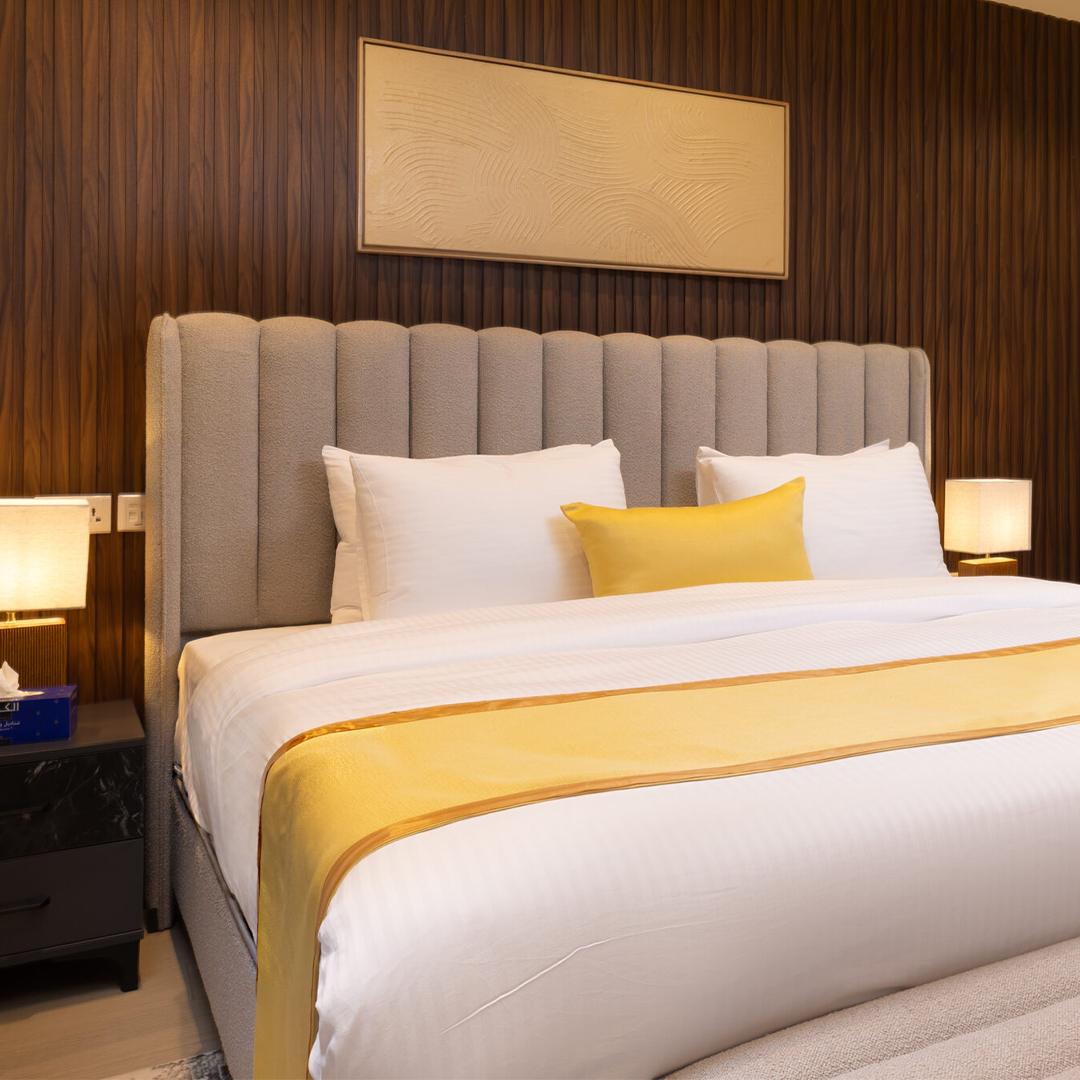
With room footprints shrinking in urban select-service hotels, FF&E specifications increasingly call for furniture that does more than one job: a desk that converts to a dining surface, an ottoman with internal storage, or a headboard that integrates lighting, USB-C charging, and a luggage shelf into a single millwork unit. This is less about a design trend and more about developers extracting more usable function from the same square footage.
3. Contract-Grade Fabrics with Real-World Durability Data
CRIB 5 fire-retardant fabrics remain the baseline requirement for UK and EU hospitality projects, but buyers are now also asking for Martindale abrasion ratings above 100,000 rubs for public-area seating and stain-resistant, bleach-cleanable finishes for food and beverage outlets. Fabric specification has effectively become a procurement conversation, not just a design one — which is why FF&E suppliers who manufacture their own upholstered seating in-house can move faster when a designer wants a fabric swap late in the project.
4. Outdoor and Weather-Resistant Lounge Furniture for Resort Projects
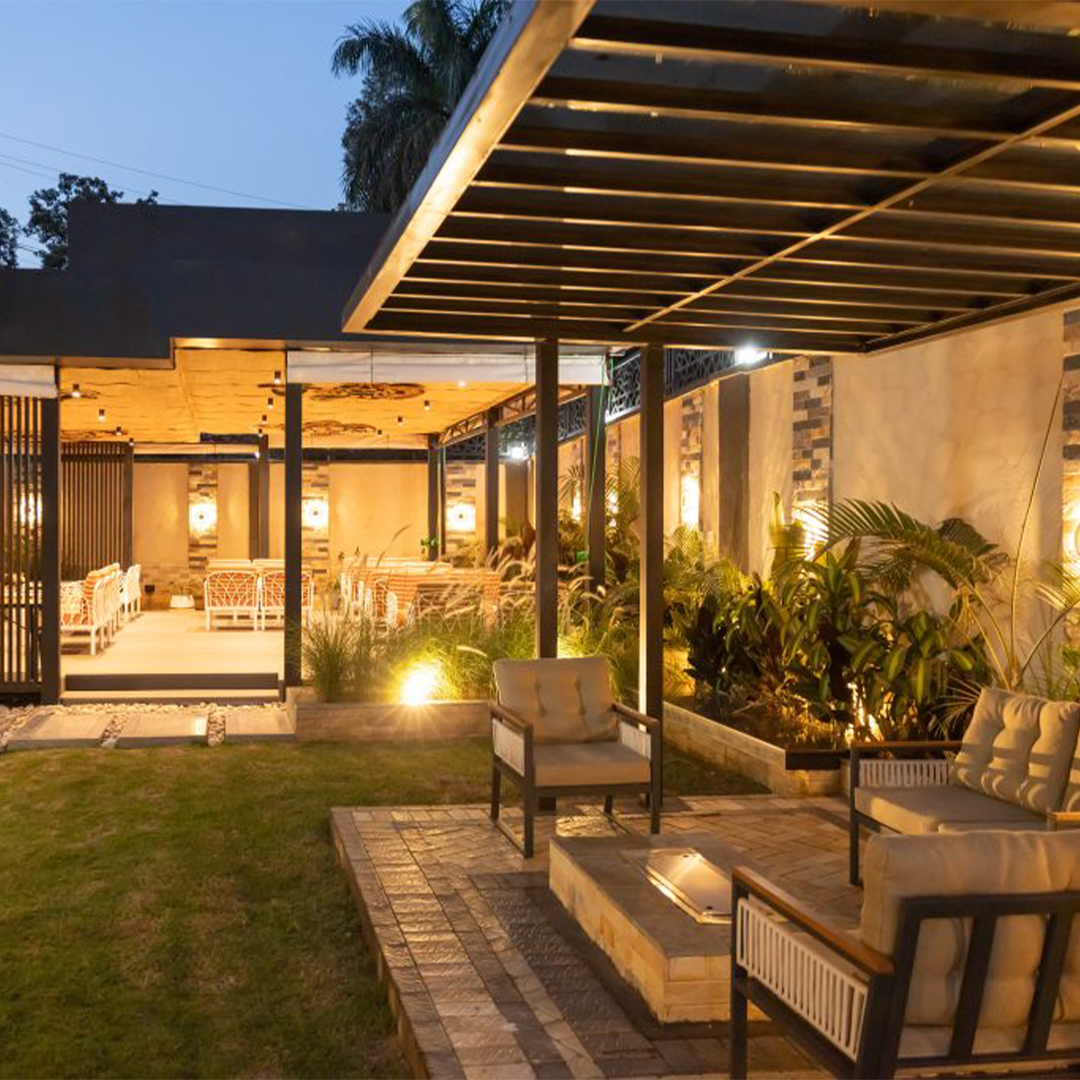
Resort and villa developments continue to push outdoor living space as a primary selling point, driving demand for weather-resistant lounge seating, dining sets, and daybeds that can handle coastal humidity and UV exposure without degrading. Powder-coated aluminum frames paired with quick-dry outdoor cushions have become the default specification for pool decks, rooftop bars, and villa terraces.
5. Biophilic and Natural-Texture Accents
Rattan, cane webbing, and natural stone or marble-look surfaces are appearing across lobby and F&B furniture specifications, reflecting a broader biophilic design push meant to make hospitality spaces feel calmer and less corporate. This trend pairs well with the warm material palette shift described above, and both are frequently specified together in the same FF&E package.
6. Faster Turnaround on Custom Fitouts
Perhaps the biggest change is not aesthetic at all — it is procurement speed. Developers are increasingly specifying FF&E vendors who offer in-house CAD interpretation, prototyping, and installation crews rather than coordinating separately with a designer, a factory, and a logistics company. A single turnkey contract partner who can go from shop drawings to on-site installation reduces the number of failure points in a hotel opening timeline that is almost always tighter than planned.
What This Means for Your Next FF&E Package
If your 2025 project brief includes warm wood tones, multifunctional guestroom furniture, or outdoor lounge seating, specify contract-grade material data (Martindale rubs, CRIB 5 ratings, UV resistance) up front. It saves rounds of sample rejection later and keeps your fit-out timeline intact.
Sourcing FF&E That Keeps Up With These Trends
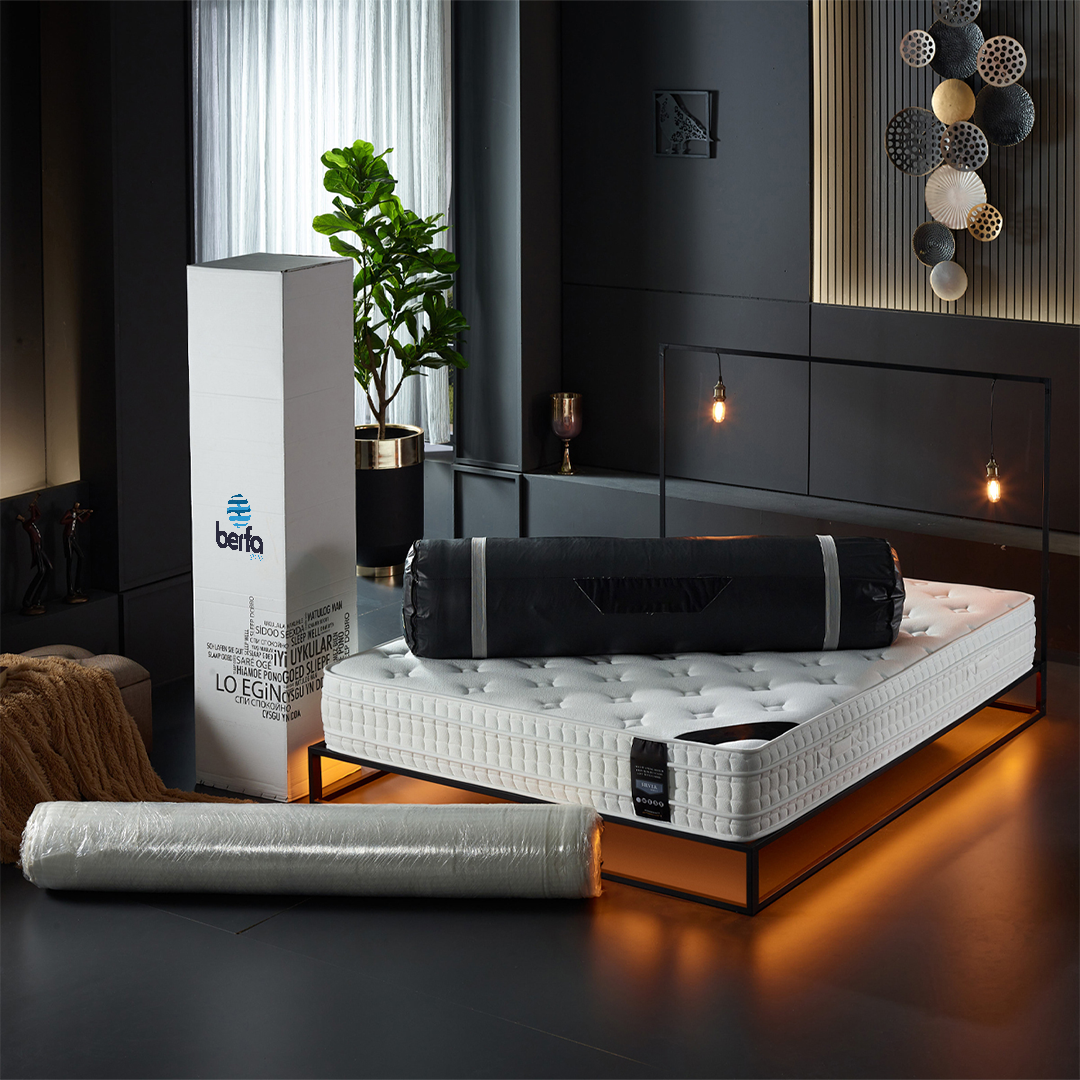
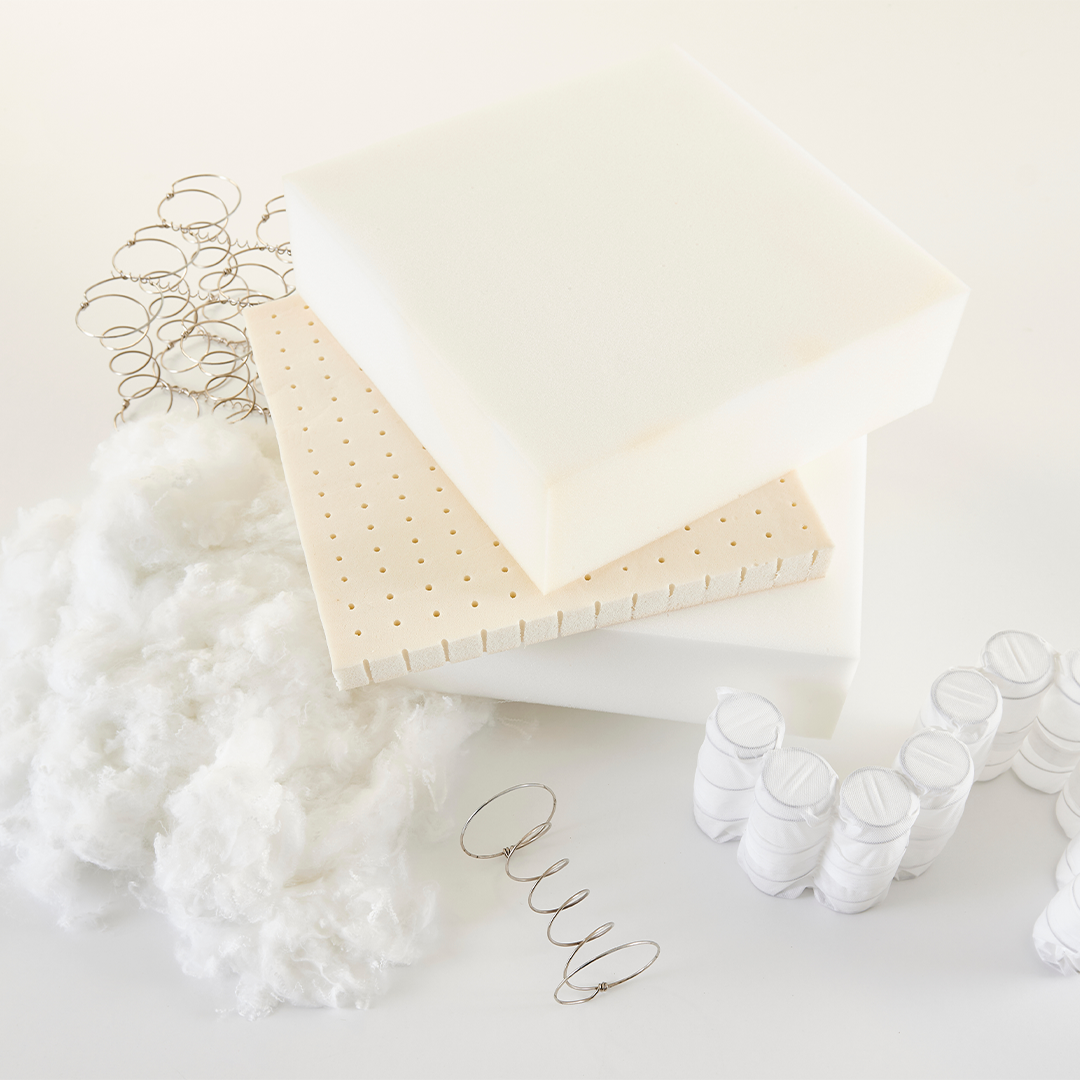
Berfa Group's turnkey FF&E division works directly from architectural drawings and interior design packages, producing headboards, lounge seating, outdoor furniture, and reception millwork under a single production and quality-control roof in Kayseri. Because springs, foam, and upholstery are all manufactured in-house, fabric and specification changes can be accommodated later in the project than most importers can offer.
Have a Project in Mind?
Talk to our export team about OEM production, turnkey FF&E, or bulk sleep product orders for your next project.
Send Us an Inquiry